Why Quality Matters in Storage Tank Manufacturing: A Comprehensive Guide
In the domain name of storage tank manufacturing, high quality is not simply a quality yet a basic need that underpins safety, effectiveness, and regulatory compliance. The strenuous adherence to established criteria such as those established by API and ASME plays a pivotal role in protecting against functional failings and environmental risks. Nevertheless, the ramifications of top quality prolong beyond simple compliance; they encompass cost-effectiveness and long-term performance. As we discover the diverse measurements of quality in this industry, one should consider exactly how these elements jointly influence both the credibility and success of producers. What important aspects should be focused on to guarantee ideal end results?

Value of Quality Control
Quality assurance plays a crucial function in the manufacturing of storage tank, as it directly impacts durability, efficiency, and safety and security. By executing strenuous high quality assurance processes, producers can assure that each tank fulfills the necessary specs and requirements required for its desired use. This commitment to high quality safeguards versus prospective failures, which might bring about hazardous leaks or devastating failures, consequently shielding both human life and the environment.
In enhancement to security, quality assurance boosts the total performance of storage tank. Tanks built with premium materials and accurate workmanship are better outfitted to endure varying environmental conditions, such as temperature level changes and direct exposure to harsh substances. This resilience not only expands the life expectancy of the containers however additionally lowers maintenance costs in time.
A solid quality guarantee program fosters count on and integrity amongst stakeholders, including customers, regulative bodies, and the community at huge. When manufacturers prioritize quality, they show their dedication to excellence, positioning themselves as leaders in the industry. Inevitably, the relevance of quality assurance in storage tank manufacturing can not be overemphasized, as it lays the structure for safe, reliable, and durable storage space solutions.
Key Manufacturing Specifications
In the domain name of storage tank manufacturing, adherence to vital manufacturing requirements is paramount for guaranteeing security and reliability. A review of sector policies supplies a structure within which quality control processes can be efficiently applied. Comprehending these standards is important for makers to preserve conformity and attain quality in their items.
Industry Rules Review
Assuring compliance with market laws is important for the manufacturing of storage tank, as these criteria determine the security, sturdiness, and ecological impact of the items. Numerous organizations develop these guidelines, including the American Oil Institute (API), American Society of Mechanical Engineers (ASME), and Environmental Protection Firm (EPA) These entities detail significant requirements and guidelines that manufacturers should abide by in order to assure the architectural integrity and functional efficiency of storage tank.
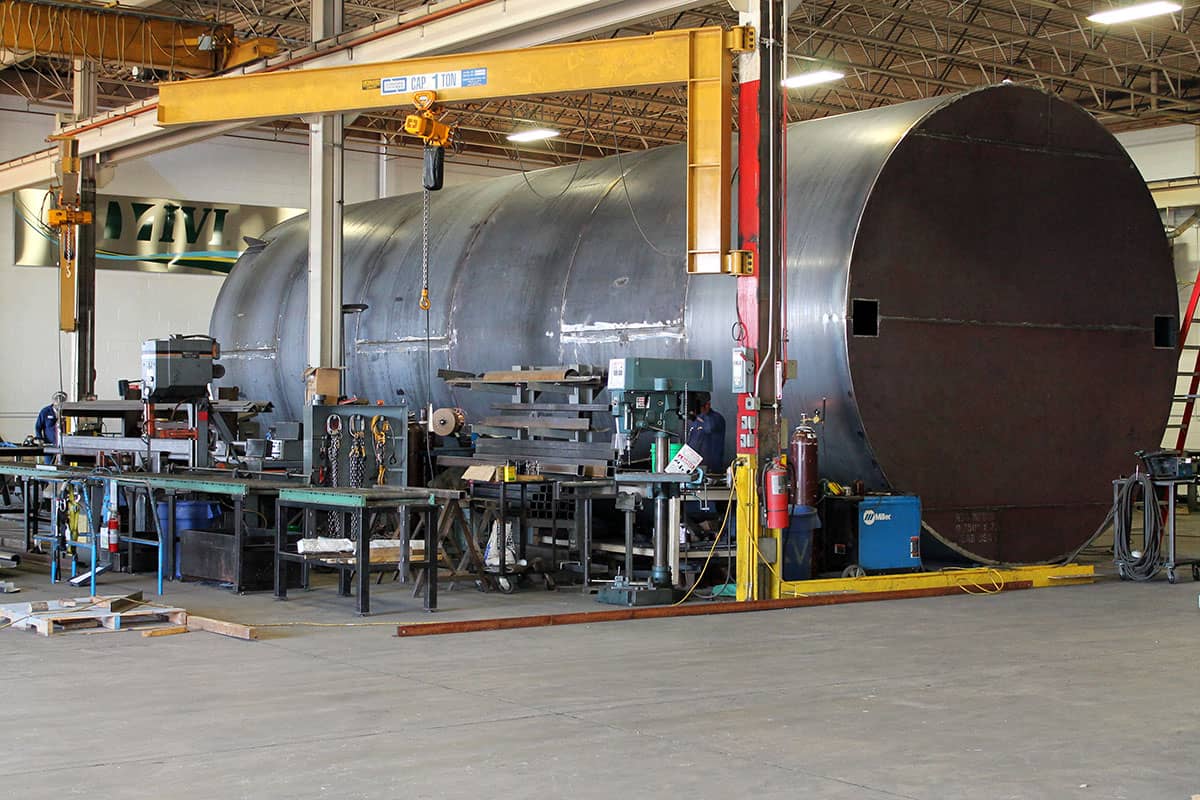
Compliance with these standards not just minimizes dangers related to failures and leakages but likewise improves the total online reputation of producers within the industry. Normal audits and assessments are commonly called for to confirm adherence to these guidelines, highlighting the relevance of keeping strict quality control throughout the manufacturing process. Inevitably, understanding and applying these laws is essential for any kind of organization intending to generate safe and reliable storage solutions.
Quality Control Processes
A robust quality control procedure is important in the manufacturing of storage tank, working as a structure to maintain industry requirements and requirements. This process encompasses numerous critical stages, including product choice, layout validation, manufacturing treatments, and final assessments. Each stage is regulated by well established criteria, such as the American Culture of Mechanical Engineers (ASME) and the American Petroleum Institute (API), which dictate the minimum demands for quality and safety and security.
Throughout material selection, only accredited and tested materials should be used, ensuring structural honesty and resistance to deterioration. Layout validation involves comprehensive engineering analyses to confirm that the tank can withstand functional conditions, including stress and temperature level variations.
Manufacturing procedures need to be meticulously recorded and complied with to assure regular quality. This includes welding methods, joint assessments, and non-destructive testing (NDT) approaches to identify any kind of prospective issues early while doing so. Ultimately, considerable examinations and testing of the finished item are essential to verify compliance with regulative criteria.
Applying a rigorous quality assurance process not just enhances product integrity but additionally safeguards against possible failings, ultimately shielding both the atmosphere and public safety and security.
Kinds of Storage Tanks
In the domain name of storage tank manufacturing, understanding the numerous sorts of tanks is vital for meeting particular market demands. This discussion will certainly cover an introduction of storage tank materials, common design variants, and specialized applications customized to varied operational needs. By checking out these elements, manufacturers can ensure peak performance and conformity with top quality standards.
Tank Products Introduction
Storage space containers are important structures for the safe containment of numerous liquids and gases, and their products significantly affect both performance and long life. The choice of material effects not only the architectural integrity yet likewise the compatibility with the stored materials, resistance to ecological elements, and total maintenance demands.
Common products for storage tank consist of carbon steel, stainless-steel, fiberglass-reinforced plastic, and concrete. Carbon steel is extensively used as a result of its toughness and cost-effectiveness, making it ideal for a series of applications, although it might call for protective finishings to avoid corrosion. Stainless-steel supplies enhanced deterioration resistance and is excellent for storing hostile chemicals or food.
Fiberglass-reinforced plastic is light-weight, corrosion-resistant, and ideal for underground setups, yet it may not endure high temperatures as properly as metal storage tanks. Concrete containers are long lasting and often used for large storage space, specifically for water, however they can be susceptible to splitting and need mindful style to reduce leak.
Picking the appropriate material is important to ensuring security, compliance with laws, and minimizing long-lasting functional prices in storage tank manufacturing.
Common Layout Variants
Comprehending the numerous style variants of storage tank is important for maximizing performance and performance in their desired applications. Tank can be categorized right into numerous types based on their design, products, and meant use.
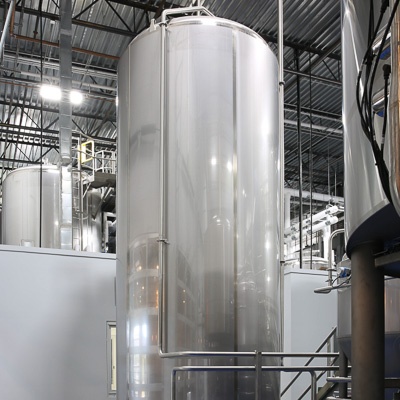
One typical type is the upright storage tank, which maximizes the surface location for fluid storage while minimizing the impact. These containers are typically made use of for water, chemicals, and gas. Conversely, horizontal storage tank are made for larger volume abilities and are commonly used in industrial applications where area is limited.
Furthermore, double-walled containers supply an additional layer of safety and security by lessening the danger of leaks, making them appropriate for hazardous materials. In addition, specialized designs such as round or rectangular containers are customized to specific needs, affecting elements like stress resistance and simplicity of access for upkeep.
Varying container arrangements, such as cone-shaped or flat-bottomed designs, impact drain effectiveness and general performance. Each style variant serves distinctive purposes, stressing the significance of picking the appropriate type based upon the specific storage demands and ecological factors to consider.
Specialized Tank Applications
Numerous storage tank layouts accommodate details needs and applications, highlighting the importance of tailored services in the market - Texas Oil & Gas Storage Tank Fabrication Authority. Specialized tank applications are essential in sectors such as oil and gas, chemicals, water treatment, and food storage, where distinct needs dictate layout features and products
As an example, double-walled containers are essential for harmful materials, offering an additional layer of security versus leakages and ecological contamination. In comparison, shielded tanks are designed for temperature-sensitive items, making sure that contents stay secure throughout storage space. Furthermore, below ground storage tank (USTs) are frequently utilized for oil items, requiring rigorous governing conformity and corrosion-resistant materials.
In addition, vertical tanks are typically employed in space-constrained atmospheres, while straight storage tanks promote easier transportation and installment - Storage Tank Manufacturing. Tanks created for details chemicals may make use of specialized coatings to avoid corrosion and destruction, making certain longevity and reliability
The option of the proper storage tank type is crucial for operational performance and security. Understanding these specialized applications aids suppliers and users in making educated decisions, inevitably causing boosted performance and compliance in numerous sectors. Customized options not just address special challenges yet additionally improve overall task end results.
Influence on Security and Compliance
The honesty of storage tank manufacturing directly influences security and conformity standards throughout markets. Top notch manufacturing procedures ensure that tanks are built to stand up to the physical and chemical tensions enforced by their materials, thereby preventing leakages, spills, and prospective ecological contamination. Conformity with governing frameworks, such as the Epa (EPA) and Occupational Safety and Wellness Management (OSHA) criteria, is vital. Non-compliance can result in severe fines and legal repercussions, making high quality a non-negotiable element of container manufacturing.
The selection of products and making techniques plays an important function in improving the toughness and security of storage tanks. Tanks that go beyond or meet market requirements are less most likely to experience structural failings, which can position significant threats to employees and bordering neighborhoods. Furthermore, regular evaluations and adherence to best practices in quality assurance are indispensable for keeping conformity over the container's functional life-span.
Price Implications of High Quality
Purchasing high quality throughout the manufacturing of storage tank can significantly influence overall expenses, both positively and negatively. Top notch products and experienced workmanship normally cause higher first expenses. These investments usually lead to significant price savings in the long run. For example, storage tanks made to rigorous top quality requirements are much less likely to endure from rust, leakages, or architectural failures, therefore minimizing upkeep and substitute costs.
Conversely, going with lower-quality products might appear affordable initially, yet can result in expensive repair work, regulatory penalties, and prospective operational disruptions. Texas Oil & Gas Storage Tank Fabrication Authority. Companies might also face raised obligation costs related to accidents arising from below average storage tanks, which can severely affect their economic standing and track record
In addition, high-grade storage tank can enhance functional efficiency, making the most of storage space ability and decreasing downtime. This effectiveness translates into better source management and general productivity.
Long-Term Efficiency Perks
Longevity offers as a cornerstone in the long-term efficiency of storage tank, greatly affecting their functional dependability and life expectancy. Top quality manufacturing guarantees that storage tanks are created from durable materials, capable of withstanding various environmental tensions, including temperature level fluctuations, corrosion, and physical influences. This strength considerably minimizes the chance of leaks and architectural failings, which can lead to expensive downtime and ecological dangers.
Additionally, quality manufacturing procedures integrate thorough screening and inspection protocols, assuring that every container fulfills stringent market standards. Storage Tank Manufacturing. This attention to detail not just enhances the tank's honesty however likewise cultivates confidence among operators regarding its efficiency with time. A well-manufactured container requires much less constant upkeep and repair, converting into lower operational expenses and enhanced productivity
In addition, the durability of storage tank decreases the demand for premature substitutes, therefore maximizing lifecycle prices. Purchasing high-quality storage tank, consequently, is not simply an issue of instant expense however a strategic decision that pays returns in operational effectiveness and safety and security. Eventually, the lasting performance advantages of quality manufacturing extend beyond the item, improving business credibility and compliance with governing demands.
Evaluating Manufacturers and Suppliers
Assessing manufacturers of storage tank is a vital step in guaranteeing quality and reliability. The choice process ought to begin with a detailed assessment of their market experience and reputation. Developed suppliers with a tried and tested record often tend to stick to rigid high quality requirements and have a history of successful projects.
Next, it is vital to take a look at accreditations and compliance with pertinent market guidelines, such as API, ASME, or ISO criteria. These certifications not just indicate adherence to top quality but additionally show a commitment to safety and security and ecological considerations. In addition, it is helpful to assess client endorsements and study to gauge satisfaction levels and the general performance of the containers provided.
In addition, think about the series of innovations and materials used by the maker. Premium materials and ingenious options can significantly affect the longevity and performance of storage tank. Review the level of consumer assistance and after-sales service given. Receptive interaction and technical aid can enhance the lasting connection in between you and the provider, ensuring that any issues are quickly resolved. This thorough assessment process will help safeguard a collaboration that focuses on top quality and dependability in storage tank manufacturing.
Often Asked Questions
What Materials Are Frequently Used in Storage Tank Manufacturing?
Common products utilized in Texas Oilfield Storage Tank Company storage tank manufacturing include carbon steel, stainless steel, fiberglass, and polyethylene. Each material provides distinctive benefits pertaining to toughness, deterioration resistance, and suitability for particular applications, enhancing general storage tank performance and long life.
Just How Do Environmental Aspects Impact Storage Tank Quality?
Environmental factors, such as temperature level fluctuations, humidity, and exposure to destructive substances, greatly influence storage tank quality. These conditions can lead to product degradation, architectural weaknesses, and inevitably compromise the tank's integrity and functional effectiveness.
What Accreditations Should I Try To Find in Storage Tank Manufacturers?
When picking storage tank suppliers, focus on certifications such as ISO 9001 for top quality administration, API requirements for industry compliance, and UL listings for security assurance. These qualifications suggest adherence to rigorous manufacturing and safety and security methods.
How Typically Should Storage Tanks Be Examined for Quality?
Storage space containers need to be examined a minimum of every year to assure conformity with safety and security criteria and functional stability. However, regularity might enhance based upon use, ecological conditions, and governing demands, requiring a customized inspection schedule for peak efficiency.
What Prevail Quality Assurance Tests for Storage Tanks?
Usual quality assurance examinations for storage tank include aesthetic evaluations, non-destructive testing (such as ultrasonic and radiographic), stress screening, and product structure analysis, making sure architectural stability, leakage avoidance, and compliance with market criteria for safety.
In the domain of storage tank manufacturing, comprehending the numerous types of storage tanks is necessary for meeting particular industry needs. One usual type is the upright storage tank, which maximizes the surface area for liquid storage while lessening the impact. Furthermore, upright tanks are frequently used in space-constrained environments, while horizontal containers promote less complicated transport and installation. Spending in top quality throughout the manufacturing of storage space tanks can considerably affect total prices, both favorably and negatively. Top quality storage tanks can boost operational performance, making the most of storage space capacity and minimizing downtime.